
Introduction
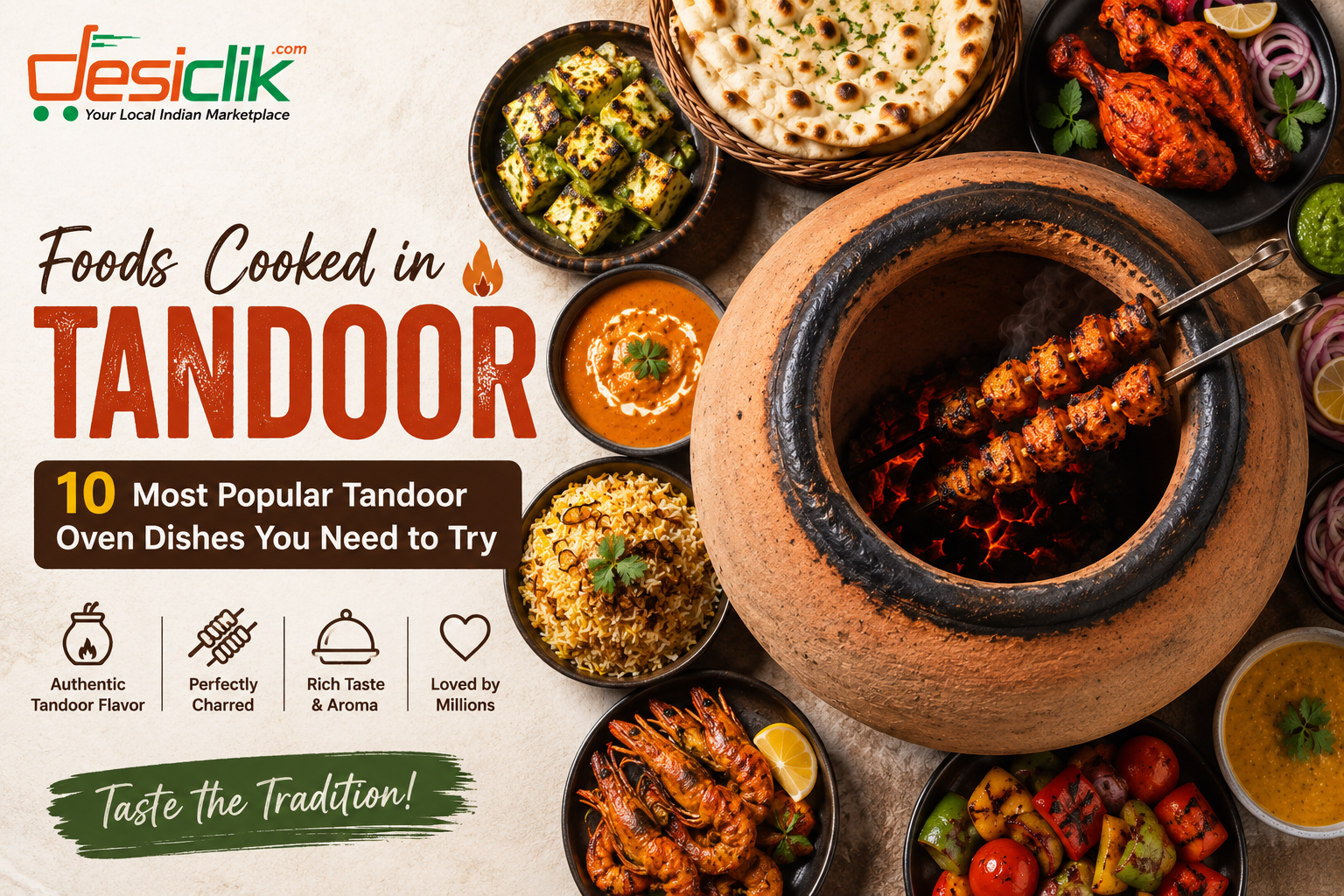
There’s a reason the smell of a tandoor firing up pulls people toward it before they even see the menu — that smoky char, the way naan puffs up against the clay walls, the sizzle of skewered meat dripping over live coals. If you’ve ever wondered exactly which foods cooked in tandoor ovens earn their reputation, the answer isn’t just tandoori chicken. It’s an entire category of dishes built around one specific cooking method: intense, radiant heat from a cylindrical clay oven that no regular grill or conventional oven fully replicates.
This guide breaks down the ten most popular tandoor dishes, why the tandoor produces results you can’t get any other way, and what it takes to bring some of that same flavor home — whether that’s through a restaurant-style visit or a portable tandoor oven of your own.
Key Takeaways
- Tandoori chicken, naan, and kebabs are the three most recognizable foods cooked in a tandoor, but the method extends to fish, paneer, vegetables, and even stuffed breads.
- A tandoor’s clay walls reach extremely high temperatures, cooking food quickly from all directions while adding a distinct smoky char that ovens and grills can’t fully reproduce.
- Marinating meat and paneer before tandoor cooking isn’t optional — it’s the technique responsible for the tenderness and flavor depth associated with authentic tandoori dishes.
- Home and portable tandoor ovens have made it possible to recreate several of these dishes outside a restaurant kitchen, without needing a traditional in-ground clay tandoor.
- Understanding which foods suit tandoor cooking helps you get more accurate, better-textured results, whether you’re cooking at a restaurant-grade tandoor or a compact home version.
What Makes Tandoor Cooking Different
A tandoor is a cylindrical clay or metal oven that cooks using a combination of radiant heat from the walls, convection from rising hot air, and, in traditional models, direct exposure to live coals or wood fire at the base. Temperatures inside a tandoor regularly reach 900°F or higher — dramatically hotter than a standard home oven — which is exactly why tandoor-cooked food develops a charred exterior while staying juicy inside.
This combination of extreme heat and quick cooking time is what separates a tandoori dish from the same recipe made in a conventional oven or on a stovetop grill. It’s not just about flavor — it’s a fundamentally different cooking mechanism.
10 Most Popular Foods Cooked in a Tandoor
1. Tandoori Chicken
The dish most people associate with tandoor cooking, tandoori chicken is marinated in yogurt, ginger-garlic paste, and a blend of spices — often including Kashmiri red chili for its signature color — before being skewered and roasted at high heat until charred and smoky.
2. Naan
Few tandoori recipes are as iconic as naan. The dough is slapped directly onto the interior clay wall of the tandoor, where it puffs up almost instantly and develops characteristic blistered, slightly charred spots that a regular oven can’t replicate.
3. Seekh Kebab
Minced meat — typically lamb, chicken, or beef — mixed with spices and herbs, shaped around skewers, and cooked vertically inside the tandoor. The direct exposure to intense heat gives seekh kebabs their signature crisp exterior and smoky depth.
4. Chicken Tikka
Smaller, boneless pieces of marinated chicken, chicken tikka cooks faster than full tandoori chicken and is often used as a base for dishes like chicken tikka masala once it comes off the skewer.
5. Paneer Tikka
The vegetarian counterpart to chicken tikka, paneer tikka is marinated in a similar yogurt-spice mixture and grilled on skewers, often alongside bell peppers and onions for a classic tandoor starter.
6. Tandoori Roti
A simpler, unleavened cousin of naan, tandoori roti is made from whole wheat dough and cooked the same way — pressed against the tandoor’s interior wall — resulting in a slightly drier, more rustic bread compared to naan’s softer texture.
7. Tandoori Fish
Firm white fish or salmon, marinated in a spiced yogurt mixture similar to tandoori chicken, holds up well to the tandoor’s intense heat and develops a smoky char without falling apart, making it a popular coastal-region tandoor specialty.
8. Tandoori Lamb Chops
Marinated in a rich blend of yogurt, garam masala, and often a touch of mustard oil, lamb chops cooked in a tandoor develop a deeply caramelized crust while staying tender inside — a dish that’s become increasingly popular on modern Indian restaurant menus.
9. Tandoori Prawns
Quick-cooking and flavor-absorbent, prawns marinated in a tandoori spice mix cook in just a few minutes inside the tandoor, making them a popular appetizer where char and smokiness matter as much as the marinade itself.
10. Stuffed Kulcha and Naan
Naan and kulcha stuffed with fillings like spiced potato, paneer, or garlic butter take the basic tandoor bread technique further, with the stuffing adding both texture and flavor while the exterior still develops that same signature blistered char.
How Tandoor Ovens Work: The Short Version
Traditional tandoors use a clay-lined chamber that burns wood or charcoal at the base. The heat moves through the cylindrical chamber, creating intense radiant and convection heat.
Cooks press bread dough against the hot inner wall, where it quickly develops a soft interior and blistered surface. They place meats and vegetables on long skewers near the center, allowing the intense heat to cook them while adding the signature smoky flavor and char.
Modern versions have adapted this same principle for home and commercial kitchens:
- Portable and countertop tandoor ovens use electric or gas heating elements to simulate the same high-heat environment in a smaller, more accessible format — a good option for home cooks wanting authentic results without a permanent outdoor installation.
- Commercial gas tandoors, like restaurant-grade tandoor ovens, are built for high-volume cooking, offering consistent, high-capacity heat suited for restaurant kitchens producing large batches of naan, kebabs, and tandoori meats throughout service.
Bringing Tandoor Cooking Home
You don’t need a traditional in-ground clay tandoor to recreate several of these dishes. A well-reviewed portable tandoor oven can produce genuinely authentic results for naan, tikka, and smaller kebab preparations, without requiring outdoor space or specialized installation.
A few practical tips for home tandoor cooking:
- Marinate longer than you think you need to. Many tandoori marinades benefit from several hours, or even overnight, for the yogurt and spices to fully tenderize the meat or paneer.
- Preheat thoroughly before cooking. Tandoor-style results depend on very high heat from the start — an underheated oven won’t produce the same char or texture.
- Don’t overcrowd the cooking surface. Skewers and bread need direct exposure to heat; overcrowding leads to steaming rather than the intended charring effect.
- Use skewers designed for vertical cooking when your portable tandoor supports this setup. Horizontal grilling changes the way heat reaches the food and can affect cooking results.
- Baste with ghee or butter partway through cooking for naan and roti, replicating the richness traditional tandoors add through direct contact with the clay wall.
Benefits of Tandoor-Cooked Foods
- Distinct smoky flavor that’s difficult to replicate with conventional ovens or stovetop grilling
- Faster cooking times due to the extremely high heat, especially useful for restaurant-volume cooking
- Healthier preparation method for meats, since excess fat drips away during vertical skewer cooking
- Versatility across proteins and vegetarian options, from chicken and lamb to paneer and vegetables
- A defining sensory experience — char, aroma, and texture that are core to what makes tandoori food recognizable
Common Mistakes to Avoid
1. Skipping or Rushing the Marinade
Tandoori dishes rely heavily on marination time for both flavor and tenderness — a short marinade produces noticeably different results than the traditional several-hour or overnight process.
2. Using the Wrong Cut of Meat
Bone-in chicken thighs and drumsticks hold up better to tandoor’s high heat than lean cuts like chicken breast, which can dry out quickly under such intense, fast cooking.
3. Not Preheating a Home or Portable Tandoor Fully
Underheating is one of the most common reasons home tandoor results fall short of restaurant versions — the char and puff associated with naan and tikka depend on very high starting temperatures.
4. Overloading Skewers
Packing too much meat or vegetables onto a single skewer prevents even heat exposure, leading to inconsistent cooking and less char overall.
5. Confusing Tandoori Seasoning with Tandoor Cooking
A dish can carry “tandoori” spices without ever touching a tandoor. The high-heat, direct-exposure cooking method is what defines authentic tandoor results — not the spice blend alone.
Comparison: Traditional Clay Tandoor vs. Modern Gas/Electric Tandoor
| Factor | Traditional Clay Tandoor | Modern Gas/Electric Tandoor |
|---|---|---|
| Heat source | Wood or charcoal | Gas or electric heating element |
| Setup | Requires outdoor space, in-ground or fixed structure | Portable or countertop-friendly |
| Heat consistency | Varies with fuel and fire management | More consistent, easier to control |
| Best for | Traditional restaurants, authentic flavor purists | Home cooks, smaller restaurants, consistent commercial use |
| Maintenance | Higher, requires fire management and clay upkeep | Lower, closer to standard kitchen appliance maintenance |
Frequently Asked Questions
1. What foods are traditionally cooked in a tandoor?
Tandoori chicken, naan, seekh kebabs, chicken tikka, and tandoori roti rank among the most traditional tandoor-cooked foods. Cooks also prepare fish, paneer, and vegetables in a tandoor.
2. What makes tandoori chicken different from regular grilled chicken?
Cooks marinate tandoori chicken in a yogurt-and-spice mixture before placing it inside a tandoor at extremely high heat. This process creates a smoky char and tender interior that standard grilling often cannot match.
3. Can you make naan without a tandoor?
You can make naan in a regular oven or on a stovetop. However, a tandoor creates the authentic texture, puff, and signature blistered char by cooking the naan directly against its high-heat clay wall.
4. What is the difference between chicken tikka and tandoori chicken?
Chicken tikka uses smaller, boneless pieces of chicken, while tandoori chicken typically uses larger, often bone-in pieces. Both dishes use similar marinades and rely on high-heat tandoor cooking.
5. Is a home tandoor oven worth buying?
For those who regularly cook Indian food and want authentic naan, tikka, and kebab results, a portable or countertop tandoor oven can meaningfully improve texture and flavor compared to a conventional home oven.
6. What temperature does a tandoor reach?
Traditional tandoors can reach temperatures of 900°F or higher, significantly hotter than a standard home oven, which is central to how tandoori dishes develop their signature char and texture.
7. Can vegetables be cooked in a tandoor?
Yes, you can cook vegetables such as paneer, bell peppers, onions, and mushrooms in a tandoor. Cooks often place them on skewers and serve them as part of mixed vegetarian tikka platters.
8. What’s the best cut of chicken for tandoori recipes?
Bone-in chicken thighs and drumsticks work well for tandoori recipes because they retain moisture under intense heat. Compared with lean cuts such as chicken breast, these cuts usually produce juicier and more tender results.
9. Do commercial and home tandoors cook food the same way?
Both commercial and home tandoors use high, direct heat to cook food. Commercial gas tandoors handle larger batches and deliver consistent results, while home and portable tandoors suit smaller portions and everyday cooking.
10. How long should meat marinate before tandoor cooking?
Most tandoori marinades benefit from at least a few hours, though overnight marination is common and often recommended for deeper flavor and more tender results.
Conclusion
From smoky tandoori chicken to perfectly blistered naan, foods cooked in tandoor ovens share one thing: intense, direct heat that creates authentic flavor, char, and aroma. A conventional oven or grill cannot fully recreate these results.
Whether you’re cooking at home with a portable tandoor or choosing a commercial tandoor for a restaurant, understanding this traditional cooking method can help you achieve better results.
Call-To-Action
Ready to bring authentic tandoori flavor into your own kitchen? Explore tandoori recipes and tandoor cooking guides or browse tandoor oven options built for home and commercial use, with nationwide US delivery.


