
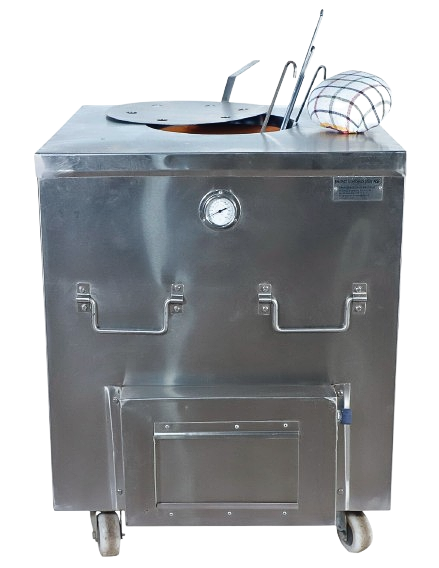
If you’ve ever bitten into naan with that unmistakable char and puff, or torn into tandoori chicken with smoky, blistered edges, you already know why a tandoor oven is unlike anything else in the kitchen. It’s not just a cooking appliance — it’s a 3,000-year-old technique compressed into a clay cylinder that can hit 900°F in minutes.
But buying one in the US isn’t as simple as picking the first listing that pops up. Between charcoal, gas, and electric models, home-size units and full commercial rigs, NSF certification requirements, and shipping logistics for something that can weigh 300+ pounds, there’s a lot to get right before you place an order.
This guide breaks down everything — from choosing between a gas tandoor oven and a traditional charcoal model, to what restaurant owners need to know about commercial-grade certification, so you can buy with confidence in 2026.
Key Takeaways
- A tandoor oven is a cylindrical clay or clay-lined steel oven that cooks with radiant and convective heat, often exceeding 900°F.
- Home cooks generally want a compact gas tandoor oven (18″–20″) that hooks up to a propane tank or natural gas line.
- Restaurants need a commercial tandoor oven that is NSF/ETL certified for legal use in a commercial kitchen.
- Fuel choice (charcoal, gas, or hybrid) affects flavor, temperature control, and daily maintenance.
- Clay-lined tandoors deliver the most authentic flavor; all-metal tandoors are easier to maintain but need extra care for making bread.
- Expect home units to run roughly $300–$900, while a certified restaurant tandoor can run $1,500–$5,000+ depending on size.
- Freight shipping, not just the unit price, is a major cost factor — always confirm delivery method (liftgate, curbside, or inside delivery) before buying.
What Is a Tandoor Oven, Exactly?
A tandoor is a cylindrical oven, traditionally made from clay, that cooks food using a combination of radiant heat from the walls, convective heat from rising hot air, and direct flame or ember contact. The name comes from the Persian word “tanur,” and the design itself traces back to the Indus Valley Civilization, making it one of the oldest cooking technologies still in daily use.
What makes it different from a conventional oven or grill is the sheer intensity and speed of the heat. Meat marinated in yogurt and spices gets skewered vertically and lowered into the oven, where it cooks in minutes rather than the 20–40 minutes a standard oven would need — while naan dough is slapped directly onto the interior clay walls, where it puffs, blisters, and slides off in under 90 seconds.
This is also why a genuine Indian clay oven is prized over metal alternatives: the porous clay absorbs and radiates heat evenly, and it imparts a subtle smokiness that stainless steel alone can’t replicate.
Traditional vs. Modern Tandoors
| Feature | Traditional Clay Tandoor | Modern Gas/Steel Tandoor |
|---|---|---|
| Fuel | Charcoal or wood | Natural gas, propane, or electric |
| Heat-up time | 30–45 minutes | 10–20 minutes |
| Flavor | Deep smoky, authentic | Mild smoky, consistent |
| Maintenance | Higher (clay can crack) | Lower (steel exterior) |
| Ideal for | Restaurants prioritizing authenticity | Home kitchens, patios, food trucks |
| US kitchen code compliance | Rare | Common (NSF/ETL models available) |
Types of Tandoor Ovens Available in the USA
1. Charcoal Tandoor Oven
This is the closest you’ll get to the tandoors used in Punjab and across North India for centuries. Charcoal delivers the deepest smoky flavor and the highest peak temperatures, but it also demands more hands-on management — you’re monitoring embers, not turning a dial.
Best for: Backyard entertaining, catering events, and restaurants that market “authentic” or “traditional” tandoori cooking as a selling point.
2. Gas Tandoor Oven
A gas tandoor oven uses a propane tank or a direct natural gas line with a burner and baffle plate inside the clay pot. You get near-instant ignition, consistent temperature, and none of the ember management that charcoal requires.
Best for: Home cooks who want tandoori results without the learning curve, and restaurants that need speed and repeatability during dinner rush.
3. Electric Tandoor Oven
Electric models plug into a standard outlet and use heating elements instead of an open flame. They’re popular in apartments, condos, or commercial kitchens where gas lines and open flame aren’t permitted (or where local fire codes are strict).
Best for: Apartment dwellers, food trucks with limited gas hookups, and kitchens under strict fire-code restrictions.
4. Commercial Tandoor Oven
A true commercial tandoor oven is built for continuous, high-volume use and typically carries NSF and ETL certification — non-negotiable if you’re planning to pass a health inspection. These come in larger diameters (24″–34″ is common) with reinforced steel shells, insulated bodies, and commercial-grade gas kits.
Best for: Indian, Pakistani, Afghan, and Middle Eastern restaurants, catering companies, and ghost kitchens serving tandoori menus at scale.
Step-by-Step Guide: How to Choose the Right Tandoor Oven
Step 1: Define Your Use Case
Are you cooking for a family of four on weekends, or firing off 200 orders of tandoori chicken on a Friday night? This single question eliminates 80% of your options immediately.
Step 2: Pick Your Fuel Source
- Charcoal if flavor authenticity is the priority and you don’t mind the extra prep time.
- Gas if you want speed, control, and lower daily maintenance.
- Electric if gas isn’t available or permitted in your space.
Step 3: Match the Size to Your Kitchen
Home tandoors typically range from 14″ to 20″ in diameter. Commercial units start around 24″ and scale up to 34″+ for high-volume kitchens. Always measure your counter space, ventilation clearance, and doorway width — these ovens are heavy and don’t disassemble easily.
Step 4: Confirm Certification (For Commercial Buyers)
If you’re installing a tandoor in a licensed restaurant, your local health department will almost always require NSF and ETL/ANSI certification. Skipping this step is one of the most common — and costly — mistakes restaurant owners make.
Step 5: Check the Interior Material
Ask whether the interior pot is genuine clay or a clay-and-cement composite. Genuine clay delivers better flavor and heat retention but is more fragile during shipping and can develop hairline cracks over time (most sellers include a clay repair kit for this reason).
Step 6: Plan for Delivery
These are freight items, not standard parcels. Confirm:
- Whether shipping is via LTL (less-than-truckload) freight
- If liftgate service is included (important if you don’t have a loading dock)
- Estimated transit time (commonly 7–10 business days within the continental US)
Step 7: Ask About Gas Line Installation
Most gas tandoors ship with a burner and baffle plate but require a licensed plumber to connect to your gas line or regulator. Factor this labor cost into your budget upfront.
Benefits of Owning a Tandoor Oven
- Speed: Extreme heat cooks meat, bread, and vegetables far faster than conventional ovens or stovetops.
- Flavor: The combination of radiant heat and smoke creates a char and depth of flavor that’s genuinely hard to reproduce any other way.
- Versatility: One oven handles kebabs, tandoori chicken, naan, parathas, and even some desserts like kulfi-adjacent baked treats.
- Healthier cooking: High, fast heat means less oil is needed, and nutrients are retained better than with slow, prolonged cooking methods.
- Menu differentiation: For restaurants, a visible tandoor (or tandoori branding) signals authenticity to customers who specifically seek out that cooking style.
- Efficiency at scale: Commercial units let cooks skewer multiple items at once, which speeds up ticket times during peak hours.
Common Mistakes to Avoid When Buying a Tandoor Oven
- Buying based on price alone. A rock-bottom price often means a thinner clay pot, weaker insulation, or no certification — all of which cost more in repairs or fines later.
- Ignoring certification requirements. Health inspectors will flag or shut down a commercial kitchen using an uncertified tandoor. Always confirm NSF/ETL/ANSI documentation before buying for a restaurant.
- Underestimating shipping logistics. A 300-lb commercial tandoor needs a loading dock, liftgate, or a small crew to move it. Plan this before delivery day, not after.
- Skipping the seasoning/curing process. New clay-lined tandoors typically need a curing period (a few gradual low-to-high heat cycles) before their first full use. Skipping this can crack the pot.
- Not asking about the gas kit. Some listings include the burner and baffle plate; others sell the tandoor body only. Always confirm what’s included before ordering.
- Choosing the wrong size for the space. Oversized commercial units in a small home kitchen (or undersized units for a busy restaurant) are among the most common buyer’s-remorse complaints.
- Forgetting ventilation. Tandoors generate serious heat and, with charcoal, real smoke. Make sure your kitchen’s hood and exhaust system can handle it.
Expert Tips for First-Time Tandoor Buyers
- Start with a smaller model if you’re new to tandoor cooking. You can always upgrade to a larger unit once you understand your usage patterns.
- Buy an extra bag of clay if your tandoor has a clay-lined pot — it’s the standard fix for small cracks that develop over time and is far cheaper than a full replacement.
- Ask sellers directly about BTU output if you’ll need it for a city gas permit or certificate — this is one of the most common technical questions from buyers installing gas lines.
- Consider a hybrid unit if you want charcoal’s flavor with gas’s convenience; some models let you use both fuel sources interchangeably.
- Read verified buyer Q&As on product listings before purchasing — real installation questions (mouth diameter, propane compatibility, induction compatibility) often reveal details that aren’t in the main description.
- Keep a maintenance log for commercial units — health inspectors sometimes ask for it, and it helps you track when the clay pot may need reseasoning.
Tandoor Oven Comparison Table: Home vs. Commercial
| Factor | Home Tandoor Oven | Commercial Tandoor Oven |
|---|---|---|
| Typical size | 14″–20″ | 24″–34″ |
| Fuel options | Gas, charcoal, electric | Primarily gas (charcoal available) |
| Certification | Not required | NSF/ETL/ANSI required |
| Approx. price range | $300–$900 | $1,500–$5,000+ |
| Daily use capacity | Occasional/weekend use | High-volume, daily service |
| Installation | DIY-friendly for gas hookup | Licensed plumber recommended |
| Best fit | Home kitchens, patios, backyard cooking | Restaurants, caterers, food trucks |
Frequently Asked Questions
1. What is the difference between a tandoor oven and a regular oven?
A tandoor cooks with intense radiant and convective heat (often 700°F–900°F+) from a cylindrical clay or steel chamber, while a conventional oven relies on lower, more evenly distributed heat. This difference is why tandoor-cooked meat and bread develop a char and smokiness that standard ovens can’t replicate.
2. Can I use a tandoor oven inside my home?
Yes, provided it’s a gas or electric model designed for indoor/residential use with proper ventilation. Charcoal tandoors are generally better suited for outdoor or well-ventilated patio use due to smoke output.
3. Do I need a special permit for a gas tandoor oven?
If you’re connecting to a natural gas line (rather than a portable propane tank), many cities require a permit and inspection. Always check with your local building department, and confirm the unit’s BTU rating with the seller when applying.
4. What size tandoor oven do I need for a restaurant?
Most commercial kitchens use tandoors in the 24″–32″ range, depending on daily order volume. Higher-volume kitchens often opt for the larger 32″–34″ models to keep up with dinner-rush demand.
5. Is a clay tandoor better than a stainless steel one?
Genuine clay delivers superior heat retention and flavor, especially for bread, but it’s more delicate and can crack over time. Stainless steel exteriors with a clay-lined interior offer a practical middle ground — durability outside, authentic flavor inside.
6. How hot does a tandoor oven get?
Traditional tandoors regularly reach 900°F or higher, though many home and commercial models are designed to operate efficiently in the 500°F–700°F range for everyday cooking.
7. How long does it take to cook naan or tandoori chicken?
Naan typically cooks in under 90 seconds once the tandoor is fully heated. Tandoori chicken pieces usually take 12–20 minutes on skewers, depending on size and the oven’s temperature.
8. What fuel is best for a tandoor oven — gas or charcoal?
Gas offers convenience, consistent heat, and lower daily maintenance, making it ideal for busy kitchens. Charcoal delivers a more traditional, smokier flavor but requires more active management and cleanup.
9. How much does a commercial tandoor oven cost in the USA?
Certified commercial units generally range from $1,500 to $5,000+, depending on size, certification, and fuel type — plus separate freight shipping costs that can be significant given the unit’s weight.
10. Can a metal tandoor make naan as well as a clay one?
It can, but many cooks find that all-steel interiors get too hot for dough, causing sticking or burning. That’s why several sellers offer optional clay-lined inserts for metal tandoors specifically to solve this issue.
Conclusion
Buying a tandoor oven in the USA in 2026 comes down to matching the right fuel source, size, and certification level to how you actually plan to use it. Home cooks chasing that smoky, restaurant-quality flavor on weekends have very different needs than a restaurant owner scaling tandoori chicken and naan production for a full dining room. Get the fuel type, size, and certification right from the start, and a tandoor oven becomes one of the best investments you can make in your kitchen — for both flavor and efficiency.
Ready to Find Your Tandoor Oven?
Whether you need a compact gas tandoor for your backyard or a fully certified commercial tandoor for your restaurant, browse the full range of Tandoor Oven in the USA options and find the right fit for your kitchen and budget today.


